 seo digital
edge
seo digital
edge

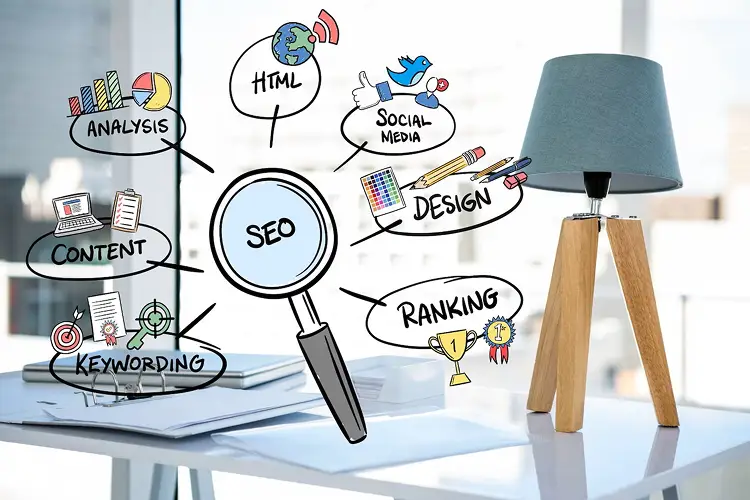
In the ever-evolving digital world, businesses constantly ask: Should I focus on content marketing or SEO? The truth is, both are essential components of a successful online strategy—but they serve different roles and can complement each other when used wisely.
In this post, we’ll break down the differences, benefits, and how to strike the right balance between SEO and content marketing.
What Is SEO?
Search Engine Optimization (SEO) is optimizing your website and its content to improve visibility in search engine results pages (SERPs). It includes strategies like:
- Keyword research
- On-page optimization (titles, meta tags, content structure)
- Technical SEO (site speed, mobile responsiveness)
- Link building
Goal: Drive organic (unpaid) traffic to your site by ranking higher on search engines like Google.
What Is Content Marketing?
Content Marketing focuses on creating and distributing valuable, relevant content to attract and engage a target audience. This content can include:
- Blog posts
- Videos
- Infographics
- Ebooks
- Social media content
Goal: Build trust, educate your audience, and convert them into customers over time.
How SEO and Content Marketing Work Together
SEO and content marketing are not competitors—they’re partners.
- Content needs SEO to be discoverable. Without proper optimization, even the best content may go unseen.
- SEO needs content to work. You need high-quality, optimized content to rank on Google.
Think of SEO as the map that guides users to your content, and content marketing as the destination that delivers value.
Content Marketing vs. SEO: Key Differences
| Aspect | SEO | Content Marketing |
| Focus | Visibility & rankings | Engagement & value |
| Main Tools | Keywords, tags, backlinks | Blogs, videos, social content |
| Primary Goal | Increase organic traffic | Educate, engage, convert |
| Time to Results | Medium to long term | Medium to long term |
| Metrics | Rankings, traffic, CTR | Shares, leads, conversions |
- If you're just starting out and want visibility, start with SEO-focused content.
- If you have traffic but low engagement or conversions, focus on content marketing strategies like storytelling and lead magnets.
- If you want long-term growth, combine both. Create high-quality, keyword-optimized content that provides genuine value.
- Create content based on keyword research: Use tools like Google Keyword Planner or Ahrefs.
- Optimize every piece of content: Use clear headings, alt text, internal links, and meta descriptions.
- Regularly update old content to keep it fresh and SEO-friendly.
- Promote your content through social media and email marketing.
- Measure both traffic and engagement to refine your strategy over time.