 seo digital
edge
seo digital
edge
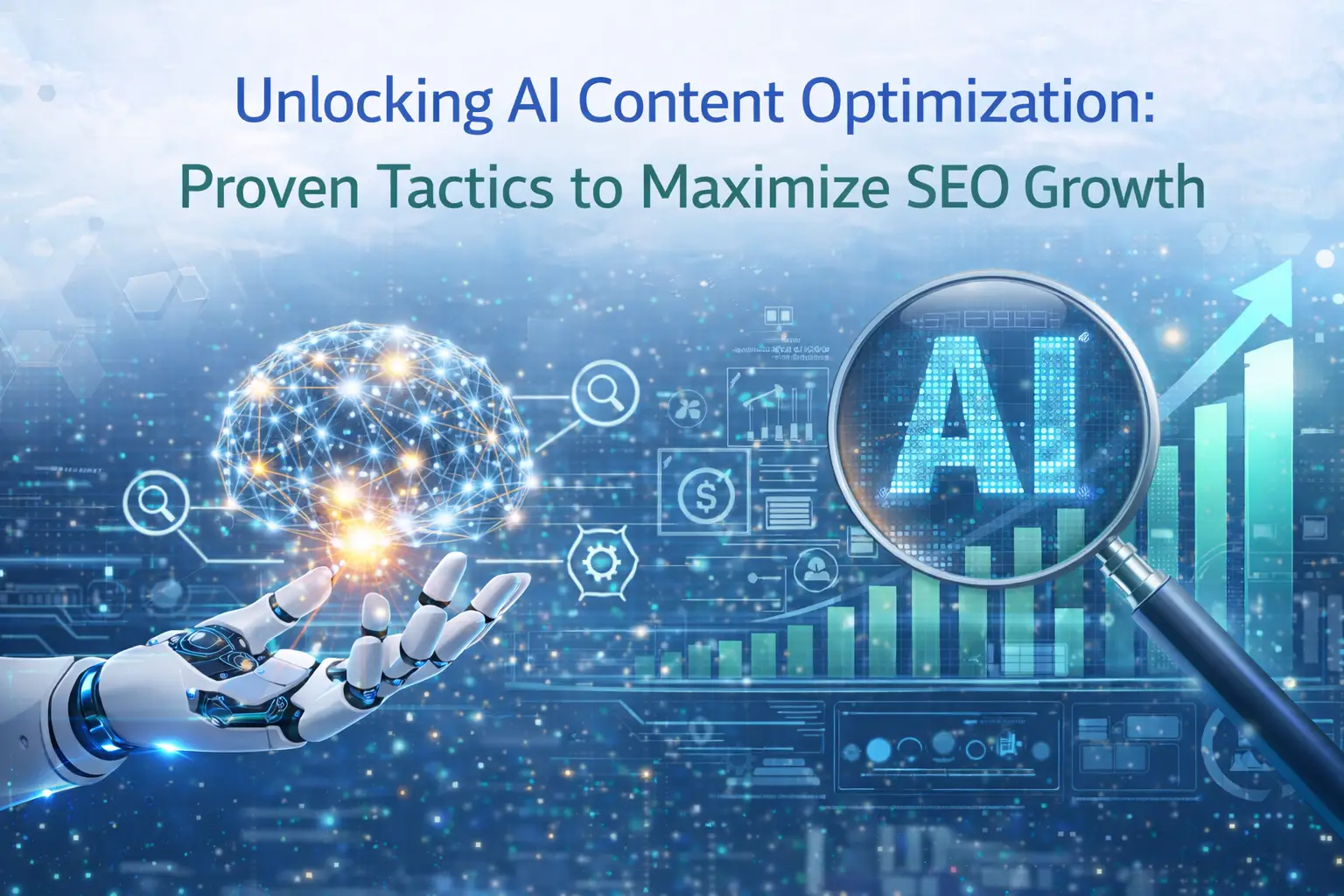
No longer a futuristic theory in the world of digital marketing, Artificial Intelligence has fast become an engine behind modern SEO success. Brands like businesses in Florida, California and throughout the United States rely on AI technology to develop smarter content strategies, streamline research and optimize search rankings. Through the implementation of AI content optimization, advertisers are enabled to process and analyze large amounts of data with a higher rate of comprehension on searcher intent while creating better ranking and converting content.
In a highly competitive digital space, brands who are not adopting AI in their SEO strategy will be left behind. From keyword grouping to predictive analysis and user behavior monitoring, AI is revolutionizing the way sites earn and keep organic traffic. Companies like SEO Digital Edge get this– that AI isn’t so much about supplanting human creativity as it is complementing it with data-validated precision. By combining their intelligent automation with smart subject matter experts, you can get the sustained SEO growth and dominate your niche for a long period of time.
Understanding AI Content Optimization
AI content optimization is about making website content better for search engines and users through artificial intelligence tools and machine learning algorithms. They include keyword opportunity tools, competitor analysis tools, content optimization tools and even prediction of future search trends.
Unlike the conventional methods of SEO, which focused a lot on manual research, AI-based tools help sort through enormous data in just a few seconds.
They give us usable information like:
- Search intent categorization
- Content gap analysis
- Keyword clustering
- Semantic keyword suggestions
- Real-time performance tracking
Using AI insights, marketers can create very targeted content that fulfills user demands and search engine standards at the same time.
Best AI Strategies for SEO Growth
AI-Powered Keyword Research
Keyword research is still the cornerstone of SEO, though AI will make it smarter and more efficient. Instead of just being focused on high-volume keywords, AI tools take user intent, seasonal trends and competitive keyword gap analysis into account.
AI-driven keyword research helps you:
- Find long-tail keywords with a high conversion potential
- Use semantic variations for improved topical authority
- Understand voice search behavior
- Predict emerging keyword trends
When you write for intent-based keywords, your content is more likely to be in line with what people search at the moment they look for it—helping you engage traffic and reducing bounces.
Content Gap Analysis Using AI
AI software can analyse the websites of competitors and show you the gaps in your own strategy. Its function is to find the topics your competitors rank for, and you don’t.
Benefits include:
- Improved topical authority
- Higher search visibility
- Strategic blog planning
- Competitive advantage
Rather than writing into the void and hoping for a response, AI offers you a roadmap based on real data.
Semantic SEO & Topic Clustering
These days, search engines also take note of context (not just key words). semantic relevanceAI tools extract synonyms, related terms and entities to enhance the semantic relation.
Topic clustering involves:
- Pillar content with a focus on one keyword.
- Supporting it with related subtopics
- Interlinking content strategically
This structure gives good crawlability and tells search spiders about your website’s authority on topic matters.
AI for Content Personalization
User engagement and conversion rates increase with personalized content. AI looks at user behavior including browsing, clicking and time on pages.
With AI personalization, you can:
- Recommend relevant blog posts
- Customize landing page content
- Deliver targeted offers
- Improve email marketing performance
This user-first mentality tells search engines quality and relevance.
Optimizing Content Readability and Structure
AI-enhanced writing assistants inspect sentence structure, tone, readability scores and formatting problems.
They help optimize:
- Heading hierarchy (H1, H2, H3)
- Keyword placement
- Meta descriptions
- Internal linking
- Image alt texts
Nicely organized makes the user stay longer, plus better for link building and other metrics such as ranking.
Predictive SEO Analytics
One of those capabilities is predictive analytics, perhaps the most impactful AI capability.
It predicts based on past data:
- Future keyword trends
- Traffic growth potential
- Ranking shifts
- Algorithm impact
It enables marketers to be proactive to industry trends, instead of always being reactive.
How AI Enhances On-Page SEO
AI insights are powerful for on-page SEO. There are tools that can compare your content to the results pages and provide recommendations
for example:
- Optimal keyword density
- Content length recommendations
- Structured data opportunities
- FAQ schema suggestions
- Featured snippet optimization
This is because by constantly optimising on page elements, companies have a greater likelihood of appearing in rich answers and voice searches.
AI & Technical SEO Optimization
Think of it as making sure that search engines have access to your site, are able to crawl and index without issue.
Get to problems using AI tools:
- Broken links
- Slow page speed
- Mobile usability errors
- Duplicate content
- Crawl budget inefficiencies
Time is saved with automated technical audits, and performance bottlenecks get handled before things like rankings decline.
The Human + AI Balance
AI is powerful, but it should support human creativity, not supplant it. Strategic narrative, emotional depth and the dynamics of brand voice are not going away when it comes to effective content.
Companies such as SEO Digital Edge are using AI to generate better content Collaborating AI-driven insights with expert strategies can help digital marketing agencies produce high-converting, authentic content. The secret to continued SEO success is finding the sweet spot between automation and art.
Measuring Success with AI
And obviously tracking performance so you know what ROI is. AI tools offer dashboards which track:
- Organic traffic trends
- Conversion rates
- Keyword ranking changes
- Engagement metrics
- Bounce rate improvements
Making decisions based on data means no more guessing game and already existing effort of the last optimization is not lost.
Conclusion
AI content optimization is changing how companies do SEO. From smart keyword research and semantic analysis to predictive analytics and personalization, AI is giving marketers the ability to develop campaigns that are highly focused and based on data. Business with AI adopted in SEO Workflow secures a competitive advantage in the competitive markets.
Yet, sustainable success requires technology that is paired with know-how. Strategic execution, time on environment and user-centered optimization are all important for continual growth. By working with proven experts such as SEO Digital Edge, companies can take advantage of these AI powered SEO strategies on the way to becoming set up for scalable, measurable long-term success into 2026 and beyond.
FAQs:-
Q.1 What does AI content optimization in SEO refer to?
AI content optimization refers to the practice of leveraging AI tools to optimize website content in order to increase its search engine performance. It consists of keyword research, semantic analysis, readability enhancement and predictive analytics. AI aids marketers to produce content more specifically targeted to match the search intention and will enhance organics in general.
Q.2 In what way does AI enhance keyword research?
AI takes keyword research to the next level with an analysis of user intent, competitor approach and search trends on the fly. This is on top of long-tail keywords and related questions – something which your more traditional tools might miss. This enables companies to produce more relevant material that meets the requirements of their audience and converts at a higher rate.
Q.3 Can AI Be Used to Replace a Copywriter or Content Writer?
AI can never fully take over human copywriters because creativity, storytelling and emotional intelligence are still very human skills. While AI operates in research, structure & optimization - there is always a human check on consistency and authenticity to brand voice. The optimal results result from the AI efficiency combined with human expertise.
Q.4 Is AI Content Optimization for Small Businesses?
Yes, AI-based content optimisation is a boon for small businesses. It assists with finding competitive keyword opportunities, website optimisation and content creation. Strategically utilizing AI tools, small businesses are able to go head-to-head with larger brands and see measurable increases in organic traffic and conversions.
Q.5 How long does it take to see SEO growth AI?
SEO timelines can be a range of time based on competition, industry, strategy and campaign tactics. When using AI-driven optimizations consistently, positive changes generally become visible between three and six months. Of course this is a continued process as the long-term ranking gains aren't made overnight.